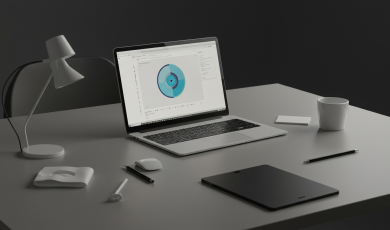
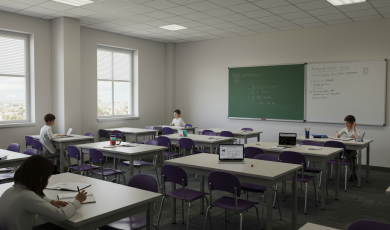
Every educator knows that what happens behind the teacher’s desk can look a little like mission control. Beyond the obvious pens, markers, and paper stacks, there’s an entire ecosystem of clever classroom gadgets quietly keeping lessons on track, students engaged, and teachers sane. These tools rarely get the spotlight, yet they often make the difference between a chaotic day and a smooth, productive class.
While some devices are front-and-center, others are subtle helpers that streamline grading, tame classroom noise, or turn dry topics into interactive experiences. Many of these tools are affordable, easy to set up, and designed to save precious minutes that teachers can redirect toward actual student support instead of endless administration. Whether you’re a new teacher setting up your first classroom or a veteran educator looking for fresh ideas, knowing which under-the-radar gadgets are worth it can transform your daily routine.
This guide explores a collection of smart, practical classroom gadgets that educators quietly rely on to improve learning, organization, and classroom management. Just as schools and education bloggers rely on strong online visibility and strategic tools like buy backlinks campaigns to reach more learners and parents, teachers depend on the right gadgets to extend their reach inside the classroom. Think of this list as a behind-the-scenes tour of the technology and tools that keep lessons flowing smoothly.
1. Wireless Presentation Remotes
Being tied to the computer at the front of the room limits how much a teacher can move, observe, and interact with students. Wireless presentation remotes give educators the freedom to roam while advancing slides, muting audio, or starting videos. Many models include a built-in laser pointer, customizable buttons, and long-range connectivity that works even in large classrooms or lecture halls.
This simple device often goes unnoticed by students, but it dramatically boosts classroom management. Teachers can monitor behavior from the back of the room while still controlling their lesson, helping them maintain engagement and reduce disruptions without constantly walking back to the desk.
2. Document Cameras
Document cameras are the modern version of overhead projectors, but with far more flexibility. They allow teachers to display worksheets, pages from books, student work, and live demonstrations directly onto a screen or interactive whiteboard. Real-time zoom and focus features mean that even tiny text or detailed diagrams become visible to everyone in the room.
These gadgets shine in math, science, and language arts classes, where step-by-step examples are essential. Instead of rewriting problems on the board, teachers can project them instantly and annotate as they go, saving time and making complex topics easier to follow.
3. Noise-Monitoring Visual Displays
Classroom noise can quickly get out of hand, especially during group work or project-based learning. Noise-monitoring gadgets use built-in microphones to track sound levels and display them with simple visual cues, like color codes or animations, on a screen. When the class gets too loud, the visual indicator changes, giving students a non-verbal reminder to lower their voices.
This subtle system reduces the need for constant verbal reminders and helps students self-regulate. Teachers can set the sensitivity based on the activity, from near-silence during a test to more relaxed levels during collaborative tasks.
4. Magnetic Cable Organizers and Charging Stations
Between tablets, laptops, and interactive displays, modern classrooms can become a jungle of charging cables. Magnetic cable organizers and compact charging stations keep wires neatly in place and devices powered up without creating tripping hazards. Some stations include labeled slots so students know exactly where to return classroom tablets or shared devices.
By taming cable clutter, teachers cut down on setup time at the beginning of class and avoid the constant question, “Where do I plug this in?” It also helps preserve equipment, since properly stored cables and devices are less likely to be damaged.
5. Wireless Classroom Audio Systems
Clear audio is critical for comprehension, especially for students sitting at the back of the room or those with mild hearing difficulties. Wireless classroom audio systems use a lightweight microphone worn by the teacher and strategically placed speakers to distribute sound evenly.
These systems reduce vocal strain for teachers and help all students hear instructions, explanations, and discussions equally well. In large or acoustically challenging rooms, this can significantly improve focus and reduce repeated directions.
6. Smart Timers and Visual Countdown Clocks
Managing time during transitions, quizzes, and group work can be tricky. Smart timers and visual countdown clocks give students a clear, constant reminder of how much time remains. Many models include bright LED displays, color changes, or even segmented visual blocks that slowly disappear as time runs out.
This visual cue fosters independence and time management skills, reducing the constant chorus of “How much time do we have left?” Teachers can stay on schedule while helping students internalize pacing and deadlines.
7. Portable Label Makers
An organized classroom runs more smoothly, and label makers are a silent hero in achieving that order. Teachers use them to label bins, shelves, technology stations, student mailboxes, and resource areas. Clear labeling cuts down on lost materials and repeated questions about where items belong.
Many modern label makers connect to smartphones via Bluetooth, allowing quick font changes and template use. Once set up, they make it easy to keep the entire classroom layout intuitive and student-friendly, especially at the start of the year or after a major reorganization.
8. Wireless Drawing Tablets
Wireless drawing tablets let teachers write, draw diagrams, or annotate slides from anywhere in the room, with their writing appearing on the main display in real time. This transforms any standard projector or display into a pseudo-interactive whiteboard, often at a fraction of the cost.
These tablets are especially useful in math, science, and art. Teachers can circulate among students, provide individual support, and still update worked examples or highlight key points on the main screen without being tethered to the front of the classroom.
9. Mini Whiteboards for Every Student
Individual mini whiteboards are simple but powerful assessment tools. Teachers can pose questions and instantly see answers from the entire class when students hold up their boards. This quick feedback helps identify misconceptions early without putting any single student on the spot.
They work well for math problems, vocabulary checks, sentence-building, and quick polls. Paired with colorful, low-odor markers and erasers, they turn formative assessment into an interactive and low-stress routine.
10. Portable Document Scanners
Portable document scanners help teachers quickly digitize student work, handouts, and important paperwork. Many models are lightweight, USB-powered, and capable of scanning directly to cloud storage or email. This is particularly useful for maintaining digital portfolios or sharing materials with absent students and parents.
By streamlining the process of going from paper to digital, teachers can reduce piles of documents and improve accessibility to resources. It also supports blended or hybrid learning environments, where having online versions of materials is crucial.
Conclusion
The most impactful classroom gadgets are often the ones that students barely notice but would miss the moment they disappeared. From wireless remotes and audio systems to document cameras and label makers, these tools quietly support smoother lessons, better organization, and more focused learning. As classrooms continue to evolve, investing in a few strategic gadgets can free up teachers to do what matters most: connect with students, personalize instruction, and foster genuine understanding.
Whether you adopt one or several of these devices, the key is choosing tools that address real pain points in your daily routine. Over time, these practical, behind-the-scenes gadgets can turn a good classroom into a highly efficient, engaging environment where both teachers and students thrive.